Ask us where to eat in Tokyo at night and we'll answer with a question: what kind of night do you want? A smoky six-seat yakitori stall under the train tracks and a hushed sushi counter where the chef hands you each piece are both dinner in Tokyo. We've been walking guests through these streets since 2016, and this is the map we actually use: izakaya, yakitori alleys, omakase, wagyu yakiniku, a taco scene most visitors never hear about, and what to eat once everything else has closed.
Where to Eat in Tokyo at Night: How It Works
Dinner service usually starts around 5 or 6 pm, and the kitchen calls "last order" 30 to 60 minutes before closing, so check the closing time when you sit down. Izakaya and yakitori bars stay busy until late, sit-down restaurants wind down earlier, and ramen counters and convenience stores cover everything after midnight.
Three more things: tipping isn't expected, many small places are cash only, and last trains leave between midnight and 00:30. For a whole evening plan, our guide to what to do in Tokyo at night covers the neighborhoods and how to get home.
Izakaya: The Heart of Tokyo's Night Food Scene
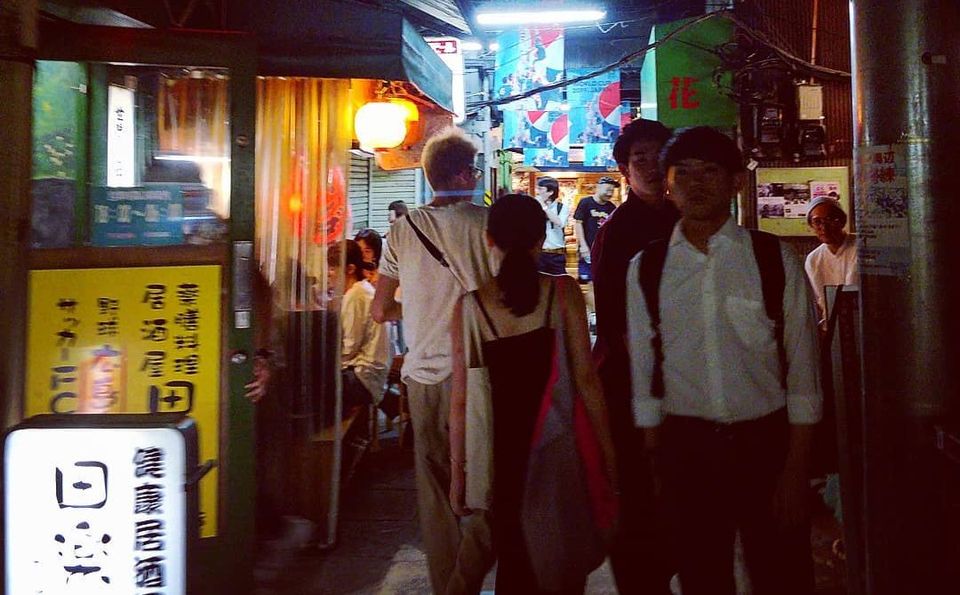
An izakaya is a Japanese pub that takes its food seriously. You sit, you drink, and small plates keep arriving until someone says enough. Budget roughly 3,000 to 5,000 yen a head with drinks at a typical neighborhood place, more if the sake keeps flowing.
Otoshi: The Snack You Didn't Order
Shortly after you sit down, a small dish appears that nobody ordered: pickles, simmered daikon, maybe a spoonful of potato salad. That's the otoshi, a compulsory per-person starter, typically a few hundred yen, that works as a cover charge. It's not a mistake on the bill and it's not optional, so don't argue it; eat it.
Nomihodai and Ordering in Rounds
Many izakaya offer nomihodai, all-you-can-drink for a set time, usually 90 minutes to two hours, often bundled with a fixed food course. It's good value if your group drinks steadily. Check the time limit, whether last call comes before the end, and whether sake and premium spirits are included.
Otherwise, order in rounds. Start with drinks and two or three quick plates, then add more as the table clears. Press the call button, or raise a hand and say "sumimasen."
What to Order
- Edamame, salted green soybeans, the plate that lands while the first drinks are poured.
- Karaage, Japanese fried chicken with a wedge of lemon. Ask the table before squeezing it; in Japan it's a running joke.
- Sashimi moriawase, a mixed plate of the day's raw fish.
- Yakitori, grilled chicken skewers (more below).
- Highballs, whisky and soda, the default drink in a lot of Tokyo izakaya.
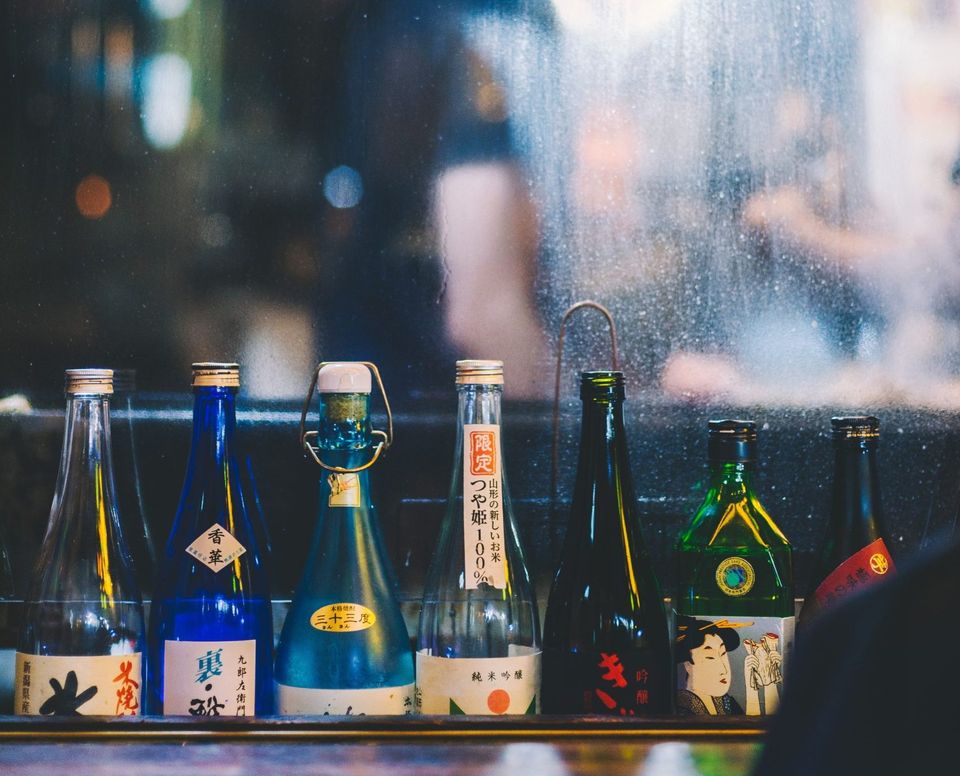
- Sake: tell the staff whether you like it dry (karakuchi) or fruity, and let them pick.
Yakitori Alleys and What to Order
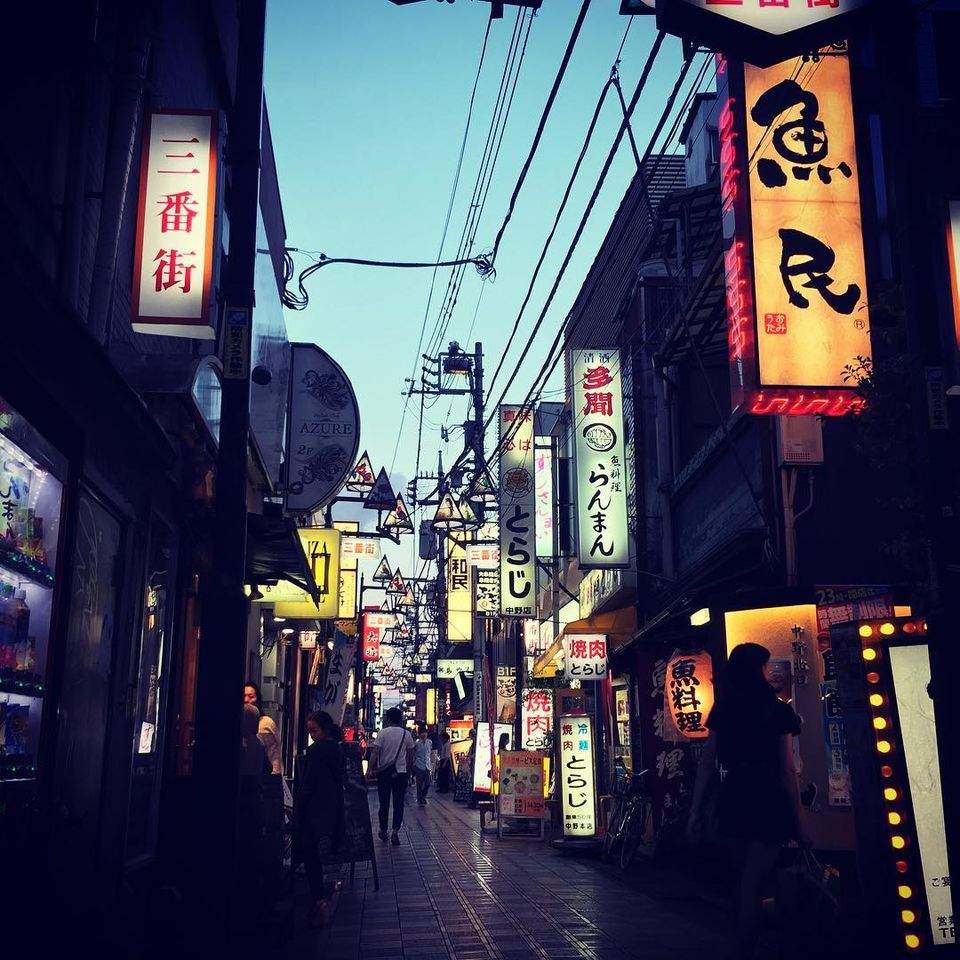
Tokyo's yokocho, narrow alleys packed with tiny bars and grills, are where yakitori tastes best. Skewers run roughly 150 to 300 yen each, so a dozen plus drinks makes a reasonable dinner. Two alleys we keep coming back to:
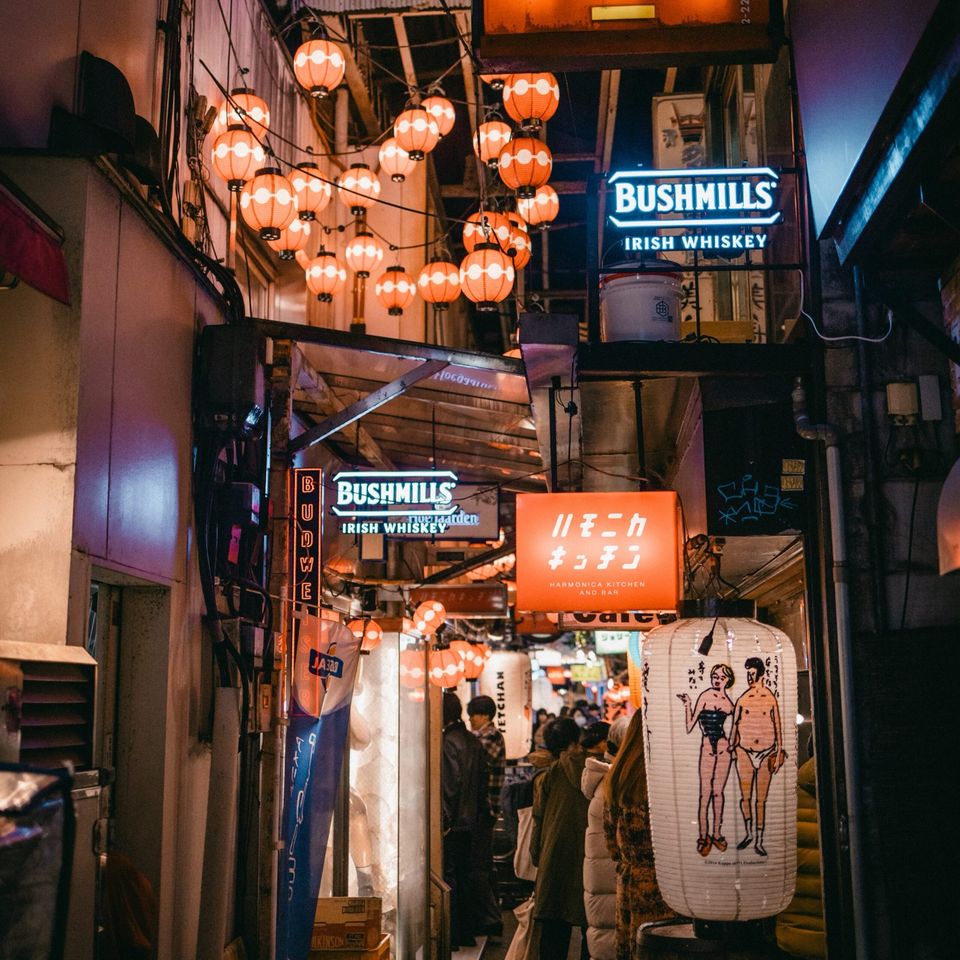
Omoide Yokocho (Shinjuku). Just outside the west exit of Shinjuku Station, a lantern-lit lane of stalls, most with fewer than ten seats. Go before 7 pm or be ready to try a few doors, and ask about a seating charge before you sit; some stalls add one.
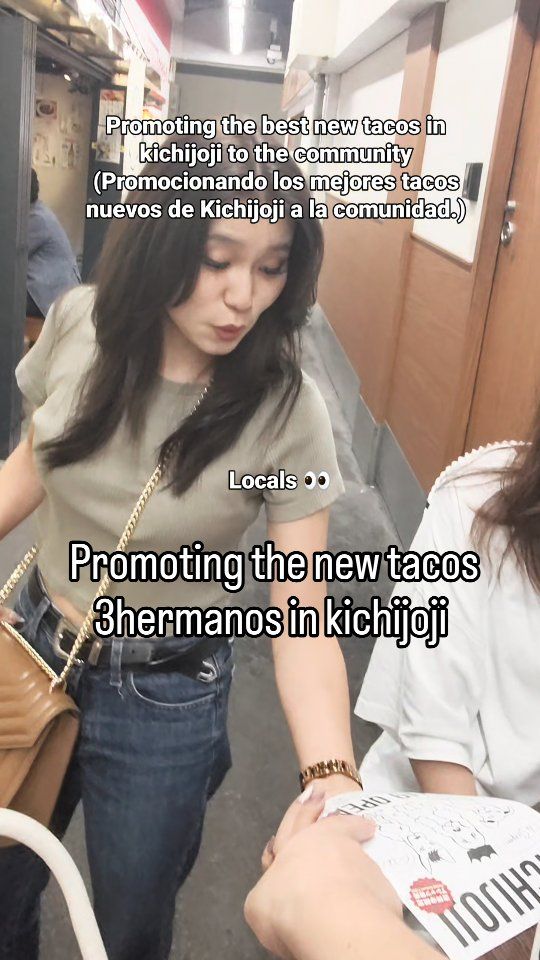
Harmonica Yokocho (Kichijoji). About 100 tiny shops in a maze of lanes by the north exit of Kichijoji Station, grown out of a post-war market. Old-school stalls sit next to standing bars and wine counters, it's more relaxed than Shinjuku, and it's our home turf: roughly 15 minutes from Shinjuku on the JR Chuo rapid.
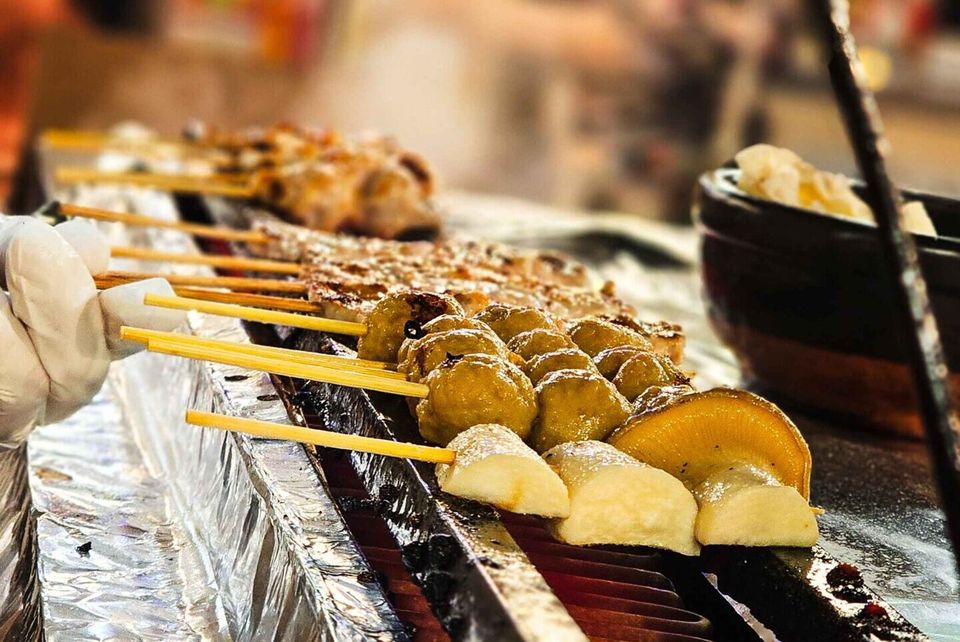
At a yakitori counter, order a few skewers at a time. Classics include momo (thigh), negima (thigh with leek), tsukune (chicken meatball, often with an egg yolk for dipping), kawa (crispy skin) and seasonal vegetables. Most skewers come either shio (salt) or tare (a sweet soy glaze). If you can't decide, ask the grill master for omakase and let them choose.
Omakase Sushi: Booking, Budget and Counter Manners
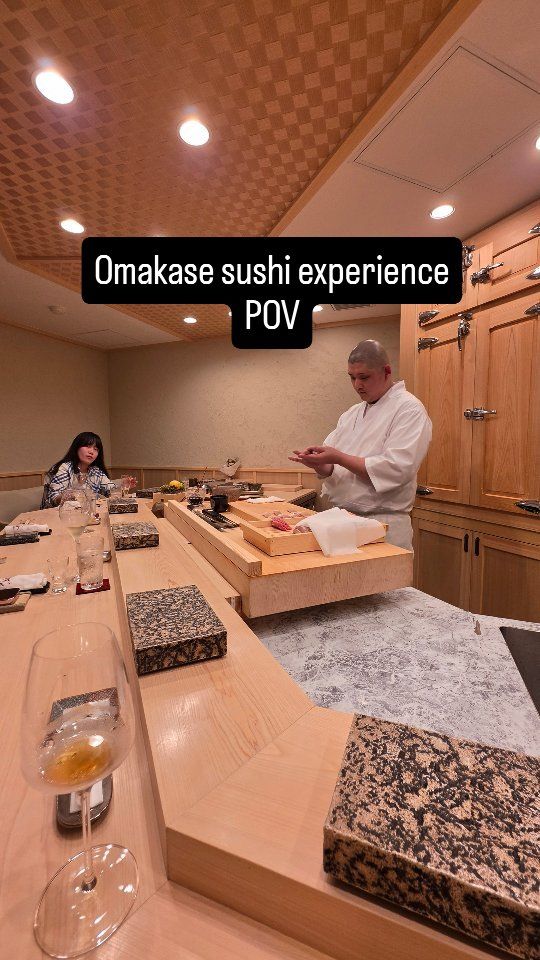
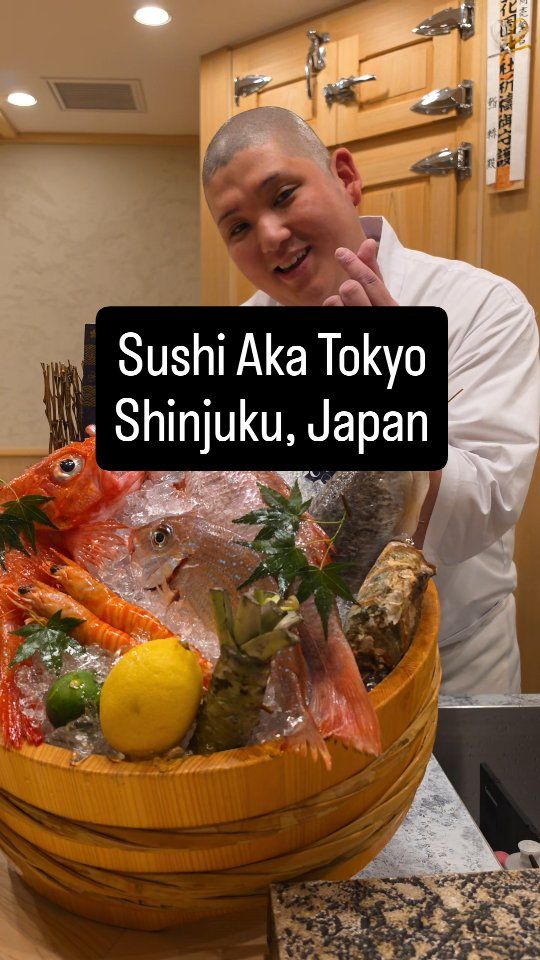
Omakase means "I'll leave it to you." At a sushi counter, the chef chooses a sequence of pieces from the day's fish and serves them one at a time. Shinjuku has everything from neighborhood counters to reservation-only rooms with fewer than ten seats.
How to Book Omakase in Tokyo
The most sought-after counters often fill weeks ahead. Most take bookings through online reservation platforms or a hotel concierge, usually with a card guarantee and strict cancellation fees, so fix your dates before you book. Lunch omakase, where offered, is cheaper and easier to get.
What It Costs
Think in tiers. Roughly: lunch sets and neighborhood counters from about 5,000 to 10,000 yen a person, mid-range dinner omakase 15,000 to 30,000 yen, and the famous counters 40,000 yen and up. Drinks are extra, so confirm the course price when you book.
Counter Manners
- Arrive on time. Many counters serve all guests together.
- Skip strong perfume or cologne; it competes with the fish.
- Eat each piece right away, with fingers or chopsticks.
- If you dip, dip the fish side, lightly. Often the chef has already seasoned it.
- Ask before taking photos, and mention allergies when booking.
Don't want to fight for a reservation? Our Tacos & Beers Bar Hopping in Tokyo tour ($100 per person, max 10, 3 hours, Tuesday to Sunday at 6 pm) needs no hard bookings: we meet at Shimokitazawa Station and start and end at Tacos 3 Hermanos, with a shared plate of tacos and a drink at the first bar, then a local izakaya and a hidden bar. Extra drinks and food are on you; budget roughly 5,000–10,000 yen.
Yakiniku and Wagyu After Dark
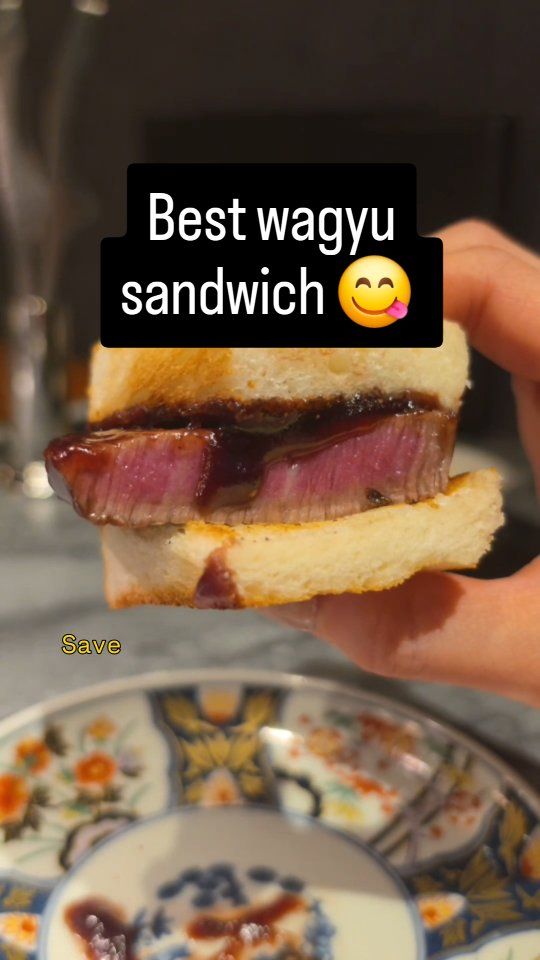
Yakiniku is Japanese-style barbecue: bite-size cuts of beef grilled on a tabletop grill and eaten straight off the grate. Marbled wagyu is where it shines, and a good wagyu place is worth a reservation.
Order a few plates at a time. A classic sequence starts with thin-sliced tongue (tan) with salt and lemon, moves on to richer cuts like kalbi (short rib) and harami (skirt), and finishes with something cold, like reimen noodles. Wagyu cooks fast, often just seconds per side. Many restaurants offer wagyu omakase courses where staff grill the delicate pieces for you; worth it if you're not confident at the grill.
Tacos in Tokyo: The City's Surprising Mexican Scene
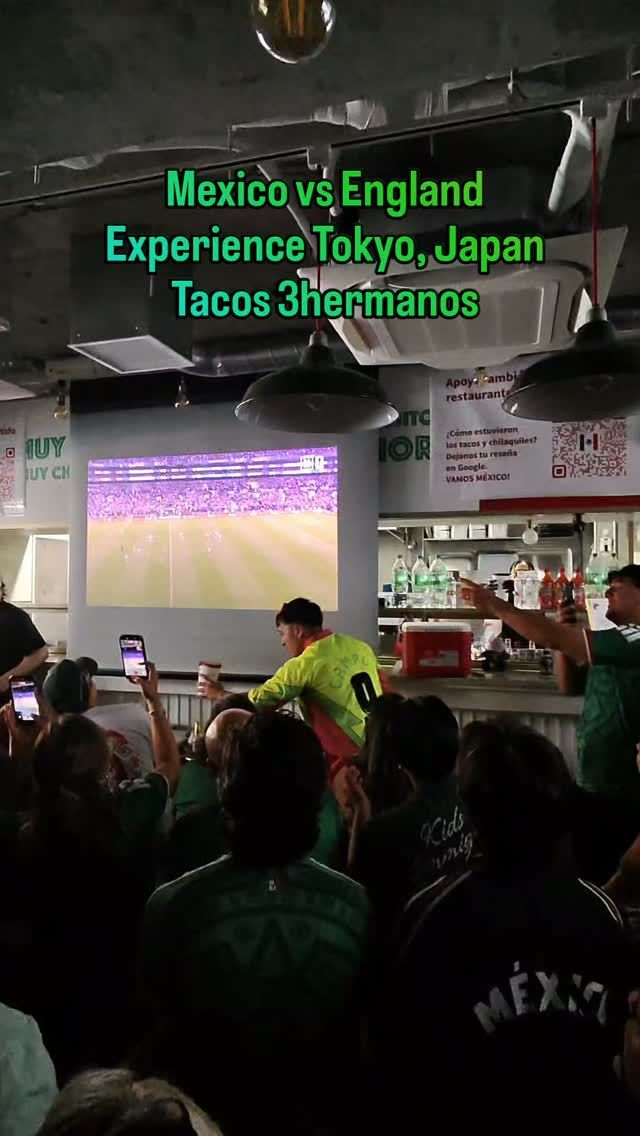
This is the section most Tokyo food guides skip. The city has a real taco scene, and the best spots are run by Mexican chefs cooking the food they grew up with: fresh tortillas, al pastor, salsas with genuine heat. Nearby, tequila and mezcal bars will walk you through agave spirits.
It's also one of the friendliest nights out in the city. The Latino community gathers at these places, especially on match nights, and the energy is the opposite of a hushed sushi bar. Our Tacos & Beers Bar Hopping in Tokyo night ($100, Tuesday to Sunday at 6 pm, 3 hours), guided in English, Spanish and Japanese, brings that easygoing spirit to Shimokitazawa.
Late-Night Ramen and Post-Bar Eats
When the izakaya close, ramen takes over. Many counters near major stations stay open past midnight, and a few run around the clock. Buy a ticket from the machine at the door (most bowls run roughly 1,000 to 1,500 yen), hand it to the cook, and slurp freely; it's expected.
Convenience Store Food
Don't sneer at the konbini. Most 7-Eleven, FamilyMart and Lawson branches are open 24 hours, and the food is genuinely good: onigiri, egg sandwiches, hot fried chicken from the counter, and oden by the register in colder months. If the cashier asks whether you'll eat in, it's a tax question: 8% on takeaway food, 10% if you eat there.
Vegetarian Notes
Eating vegetarian takes planning. Dashi, the stock behind many sauces and soups, is usually made with fish, and yakitori vegetables often share a grill and glaze with the chicken. Safer bets include edamame, hiyayakko (chilled tofu), salt-grilled shiitake and onigiri with pickled plum or kombu. Look for vegan ramen shops, and taco spots usually have bean or cheese options. Learn to say "niku to sakana wa tabemasen" (I don't eat meat or fish) and tell staff before you order.
Eat Your Way Through Tokyo With a Local
The hardest part of eating well here isn't finding good food; it's getting into the right places. Top omakase counters book out, good yakiniku needs a reservation, and the best taco nights happen at spots you only find by word of mouth. So we built two bar tours where we handle the doors, the ordering and the interpretation for you:
- Kichijoji Hidden Bar Hopping ($120, Tuesday to Sunday 7 pm, 4 hours, max 8): hidden bars in Kichijoji and Harmonica Yokocho, a variety of Japanese cocktails, etiquette tips and full interpretation by a trilingual guide; guests pay for their own drinks (roughly 500–700 yen each).
- Tacos & Beers Bar Hopping in Tokyo ($100, Tuesday to Sunday 6 pm, 3 hours, max 10): a shared plate of tacos and a drink at the first bar in Shimokitazawa, then a local izakaya and a hidden bar, with a trilingual guide.
Both are for guests 20 and over (Japan's drinking age), paid in full at booking, and can't be cancelled from your side, so pick a date you're sure of. Alejandro has been showing guests around Tokyo since 2016 and has shared tables with more than 1,000 travelers. If this is your first trip, pair a food night with our first-timer's guide to Tokyo to plan the rest of your days.
Ready to eat? Book Tacos & Beers Bar Hopping in Tokyo or grab a spot on Kichijoji Hidden Bar Hopping.