If you’re wondering what to do in Tokyo in spring, follow the cherry blossoms by day, then follow them into the night. We’ve been based in Tokyo since 2016, and spring is when the whole city steps outside at once: office teams spread tarps in the parks and riverside paths glow with lanterns after dark. Here’s when the sakura bloom, how locals do hanami, our favorite spots by day and night, what to eat and drink, and how to dodge Golden Week.
When Do Cherry Blossoms Bloom in Tokyo?
Tokyo’s cherry blossoms usually open in late March and reach full bloom between late March and early April. Full bloom lasts roughly a week, and the dates shift every year: a warm March pulls the bloom forward, a cold snap holds it back, and one night of rain and wind can strip the trees.
So check the forecast. The Japan Meteorological Agency (JMA) declares the season open when its sample tree at Yasukuni Shrine flowers, and private forecasters such as the Japan Meteorological Corporation (JMC) publish sakura forecasts from early in the year and update them as spring approaches. Watch two dates, kaika (first bloom) and mankai (full bloom), and plan your park days for the week after mankai.
Booking months ahead? A trip spanning the last week of March and the first week of April gives you the best odds. If you arrive after the peak, you still get hanafubuki, the “flower blizzard” of petals blowing off the trees, and hanaikada, the pink rafts of petals that collect on the water.
Hanami 101: How Locals Picnic Under the Sakura
Hanami means “flower viewing,” but in practice it’s a picnic with friends, family or coworkers under the trees. Here’s how to do it like a local:
- Bring a sheet. The classic is a blue plastic tarp, sold at convenience stores and 100-yen shops near every big park. Take your shoes off before you step onto it.
- Arrive early, share kindly. On weekends, groups claim space in the morning, a job traditionally given to the newest member of an office team. Never move someone else’s tarp or argue over a reserved spot; there’s always another tree.
- Take your trash home. Bins are scarce and overflow fast. Bring a bag and keep cans and bottles separate from the rest.
- Respect the trees. Don’t shake branches for a petal shower, climb trunks or pick blossoms.
- Read the signs. Some parks restrict alcohol, sheets or late picnics, and rules change from year to year.
For food, pick up a hanami bento and drinks at a department store food hall or any convenience store on the way. A tarp picnic is one of the cheapest evenings out you’ll have in Tokyo.
Best Hanami Spots: Inokashira Park, Meguro River, Ueno and Chidorigafuchi
Tokyo has hundreds of cherry blossom spots. These five are where we send our own friends, each for a different reason.
Inokashira Park, Kichijoji
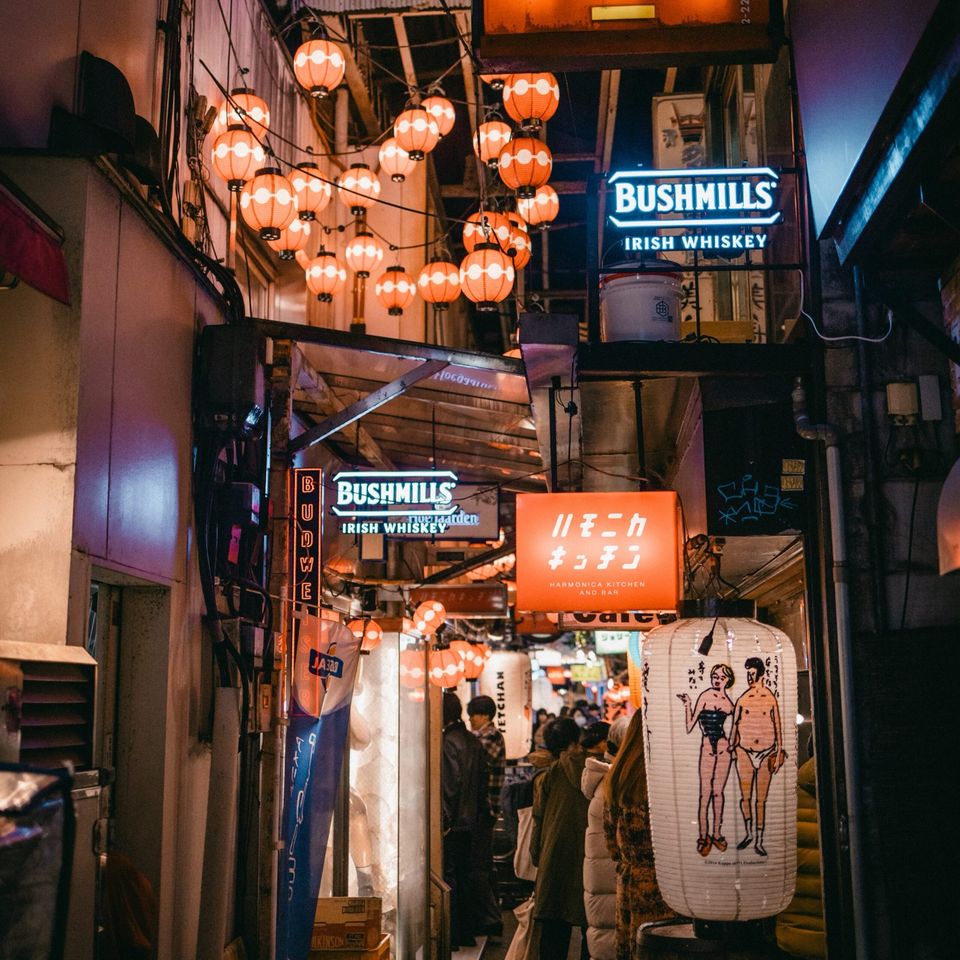
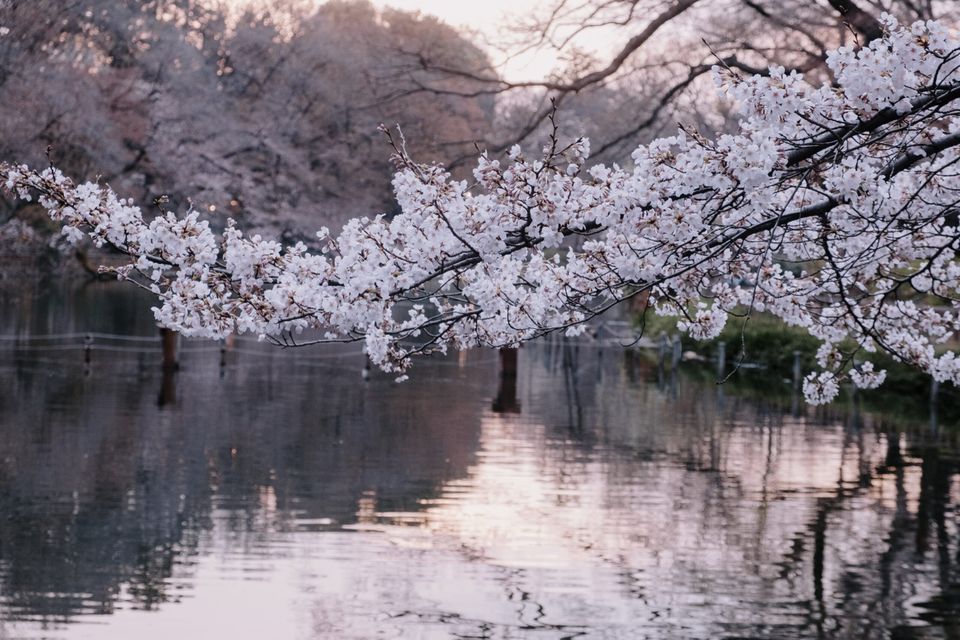
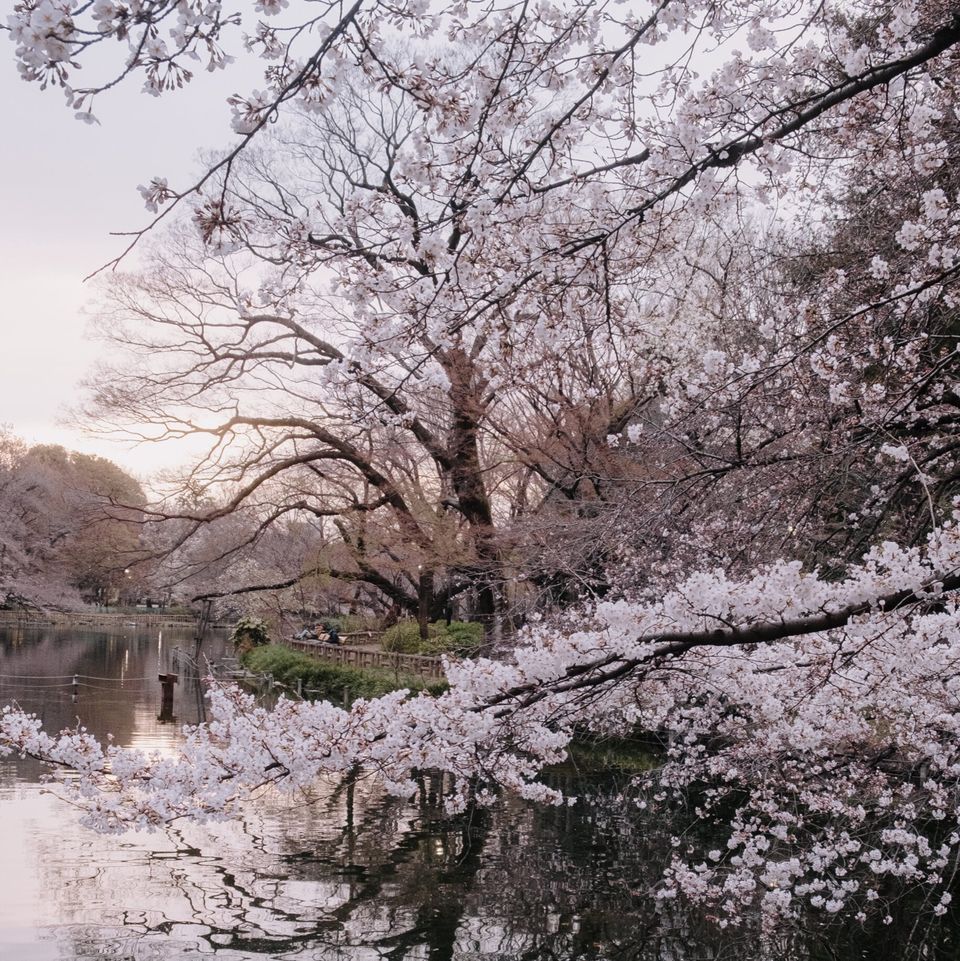
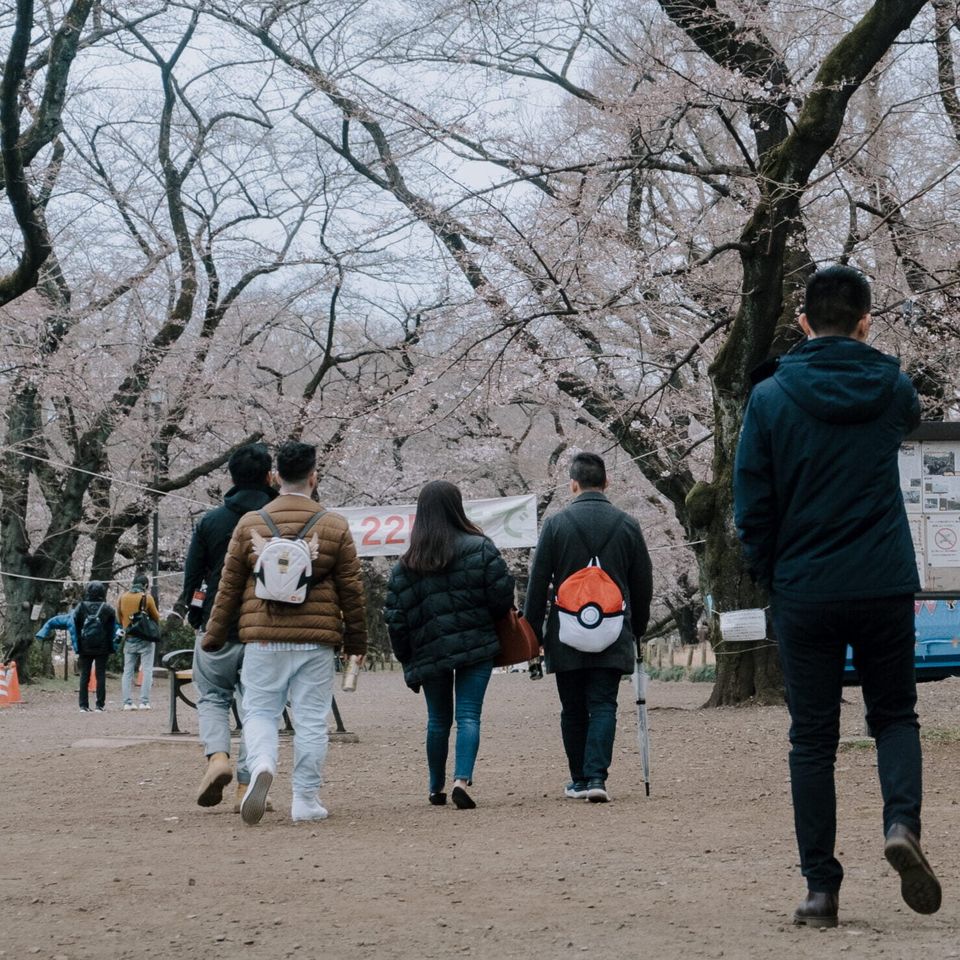
Our home turf and our favorite. About five minutes’ walk from the Park Exit of Kichijoji Station (roughly 15 minutes from Shinjuku on the JR Chuo Line rapid, 17–20 minutes from Shibuya on the Keio Inokashira Line), the park wraps around a pond lined with cherry trees whose branches almost touch the water. Rent a rowboat or swan boat for the view from the water; local legend says couples who ride together break up, but we’re still waiting for proof. The crowd is relaxed and genuinely local, the Ghibli Museum sits at the Mitaka end of the park (advance tickets only), and the bars of Harmonica Yokocho are a few minutes back toward the station. For more on the neighborhood, read our Kichijoji and Harmonica Yokocho guide.
Meguro River
Near Naka-Meguro Station, cherry trees arch over this narrow canal from both banks. It’s a walking spot, not a picnic one: no tarps, but stalls along the path sell pink sparkling wine and snacks. Go on a weekday; weekend crowds slow the path to a shuffle.
Ueno Park
The big, boisterous classic: a wide avenue under the trees, lanterns, food stalls and groups packed onto tarps from morning on. Easy to combine with the museums inside the park or Ameyoko market next to the station.
Shinjuku Gyoen
For a calmer, more manicured hanami, Shinjuku Gyoen. This national garden charges an entry fee (around 500 yen), bans alcohol and closes early in the evening, so treat it as a daytime stop. Its many cherry varieties bloom at different times, which makes it a good bet if you land just before or after the Somei-yoshino peak. Check the official site before you go: in peak season it has sometimes required advance reservations.
Chidorigafuchi
This moat beside the Imperial Palace, with stone walls and cherry branches hanging over the water, is one of Tokyo’s most photographed scenes. Walk the path above the moat or queue for a rowboat, and go early: the boat line is long at full bloom. The nearest station is Kudanshita.
Yozakura: Cherry Blossoms at Night
Yozakura, night cherry blossoms, is how many Tokyoites prefer them: pale petals catch the lantern light, the office crowd arrives after work and the parks stay busy until the last trains. Four spots for after dark:
- Meguro River is the headline act, with rows of lanterns along the canal. Spectacular and very busy, so go on a weeknight and don’t leave it late: the lanterns are usually switched off in the early evening.
- Chidorigafuchi is usually illuminated during the season, and the reflections on the moat are worth the walk from Kudanshita.
- Ueno Park strings lanterns along its main avenue; it’s an early-evening spot, as picnics are usually asked to wrap up by around 8 p.m.
- Inokashira Park is less staged: lamps around the pond, a softer glow and a far more local crowd.
Bring a layer: spring evenings drop to around 10°C once the sun goes down. And remember that last trains leave around midnight to 00:30.
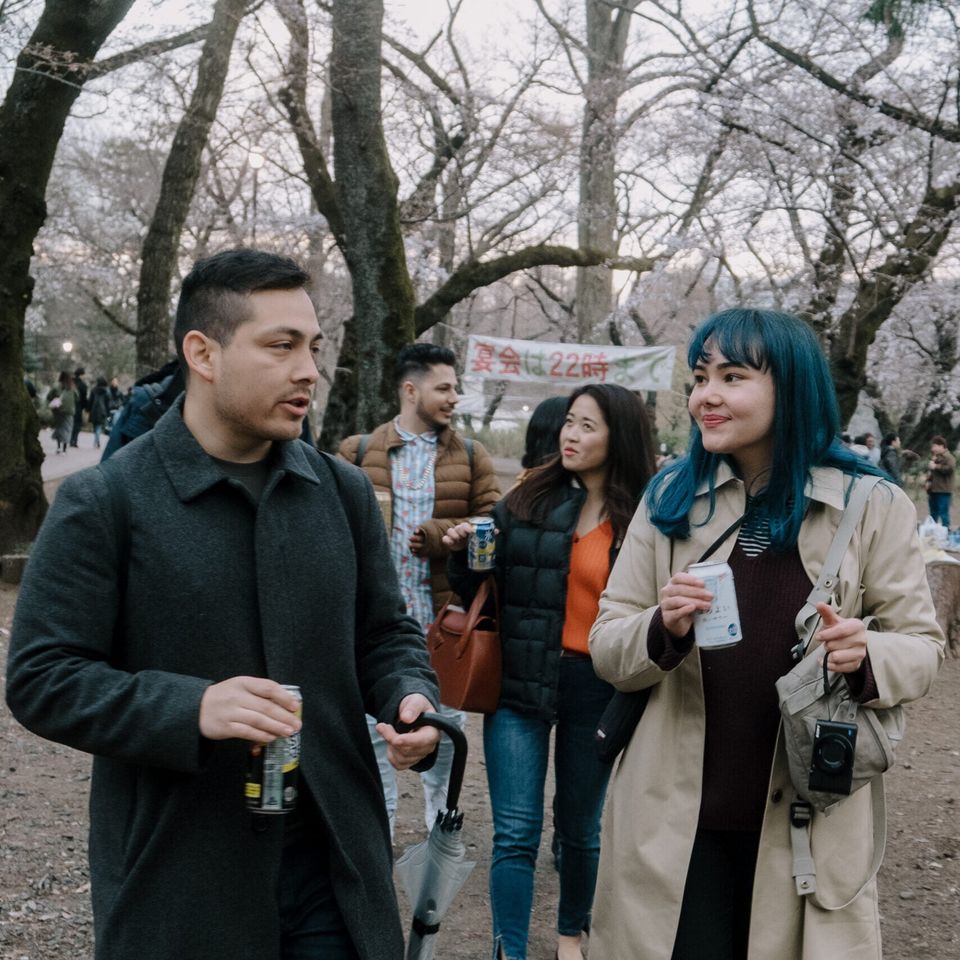
Want the blossoms at golden hour and the bars after dark? Our Sakura Sips: Cherry Blossom Bar Crawl runs only from March 20 to April 10, starting at 17:00 with hanami drinks in Inokashira Park. Dates are limited, so book early.
Spring Food and Drinks to Try
Spring flavors are everywhere, from food halls to the convenience store on your corner:
- Sakura mochi: pink rice cake filled with sweet bean paste and wrapped in a salted cherry leaf. Yes, you can eat the leaf.
- Hanami dango: skewers of pink, white and green rice dumplings.
- Sakura drinks: coffee chains roll out sakura lattes, and breweries release limited-edition cans with blossom designs. Look for sakura sake and sparkling wine too.
- Sakurayu: salt-pickled cherry blossoms steeped in hot water, a delicate, slightly salty tea.
- Seasonal izakaya dishes: menus fill up with bamboo shoots, nanohana (rapeseed greens), firefly squid and sakura shrimp. Ask what’s in season (shun) and order that.
What to Do in Tokyo in Spring Beyond the Sakura
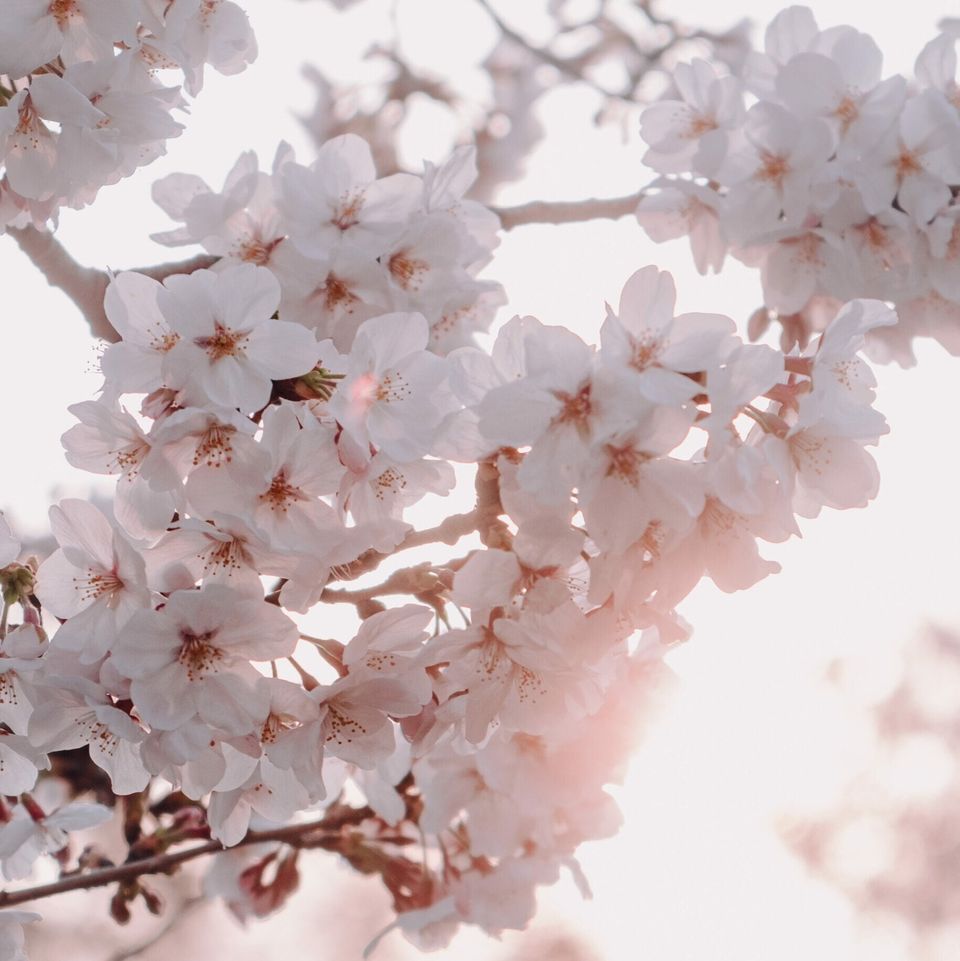
Once the petals fall, the azaleas at Nezu Shrine bloom through April, and the wisteria at Kameido Tenjin usually follows from late April. Mild days, typically 15–20°C, make this the best season for walking neighborhoods like Yanaka, Kichijoji or Shimokitazawa. If this is your first trip, our guide to what to do in Tokyo for the first time will help you plan the rest of your days.
One serious warning: Golden Week, from 29 April into the first week of May. Four national holidays fall within seven days (Showa Day, Constitution Day, Greenery Day and Children’s Day) and much of Japan travels at once. Shinkansen seats sell out, sights get very crowded and hotel prices climb. If your dates are flexible, aim for sakura season or mid-May. If not, reserve trains and hotels ahead and start your days early.
Sakura Sips: Our Cherry Blossom Bar Crawl
We created Sakura Sips to combine our two favorite things about a Tokyo spring: hanami and the bars of Kichijoji. It runs only from March 20 to April 10, starts at 17:00 and lasts about five hours (until 22:00), for $140 per person, with a maximum of 10 guests.
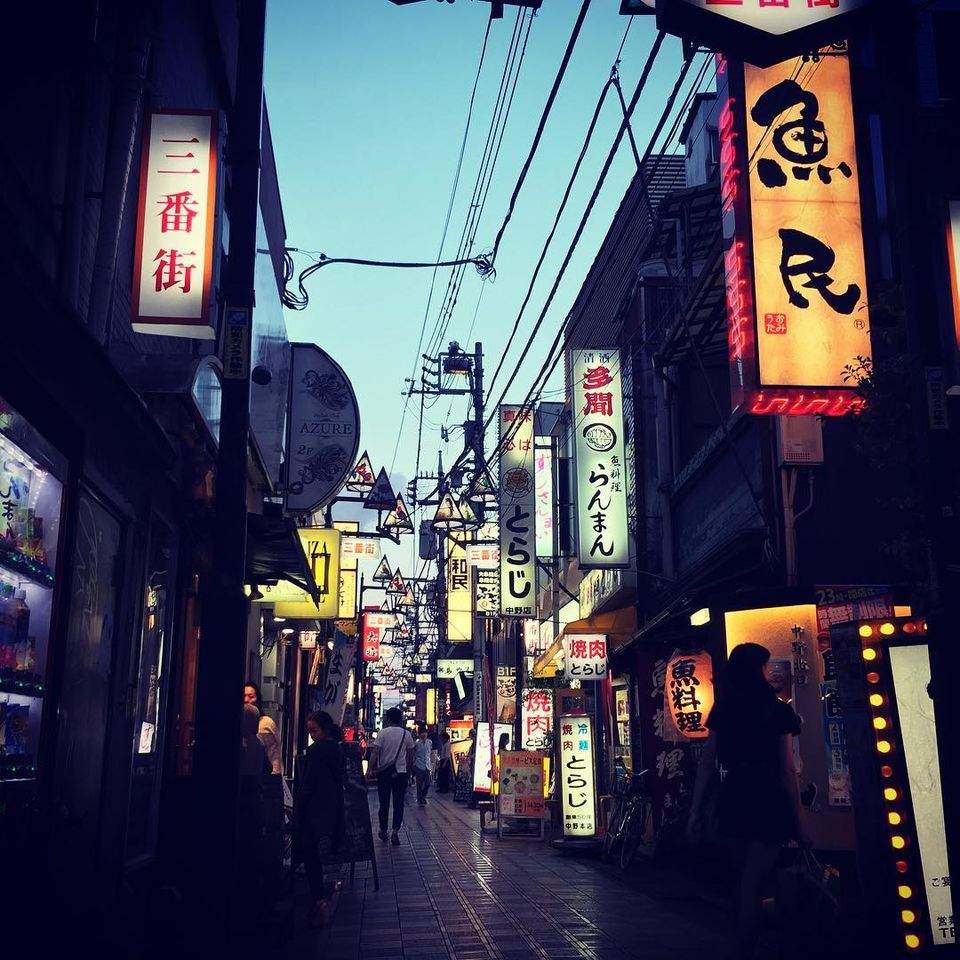
We meet at Kichijoji Station and walk into Inokashira Park around golden hour for a complimentary drink under the sakura trees and photos under the blossoms. After dark we head to Harmonica Yokocho, the maze of post-war alleys by the station, for bar hopping: 1.5 hours of unlimited drinks with Japanese cocktails and a full food course, then more bars where you chat and clink glasses with locals and fellow travelers. Extra drinks you order beyond that are roughly 500–700 yen each, paid on the spot.
Nature doesn’t follow a booking calendar, so some evenings bring full bloom, others first buds or a pink snowfall of petals.
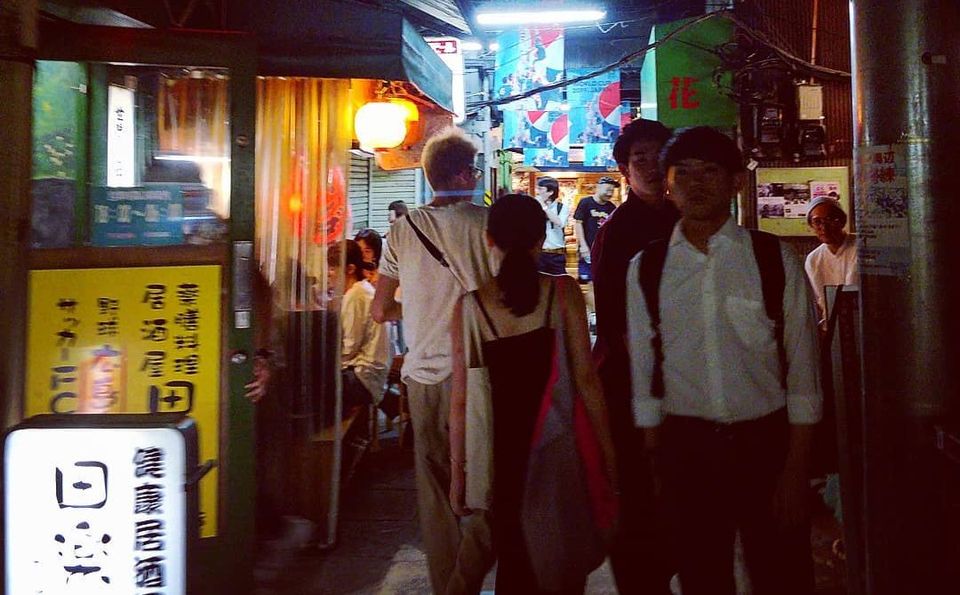
Visiting outside the sakura dates? Our Kichijoji Hidden Bar Hopping tour ($120 per person, Tuesday to Sunday at 19:00) explores the same Harmonica Yokocho alleys all year round.
Ready for hanami at golden hour and drinks in the alleys? Book the Sakura Sips: Cherry Blossom Bar Crawl for $140 per person. Guests must be 20 or older, payment is made in full at booking, and bookings can’t be cancelled or refunded by the guest (if we cancel, you get a full refund), so check your dates first. Kanpai!